
To make the air cleaner, emissions must be reduced where they originate: in heating systems, transport, industrial facilities and construction sites, and in waste management. These sources often act at the same time, so the city needs a programme that addresses each of them.
In Yerevan, winter inversions and weak winds make it harder for pollutants to disperse. Weather affects their accumulation, while reducing emissions can lower pollution even in these conditions. Our report on the winter of 2025–2026 shows seasonal and daily changes in air quality. Further research is needed to determine the contribution of individual sources.
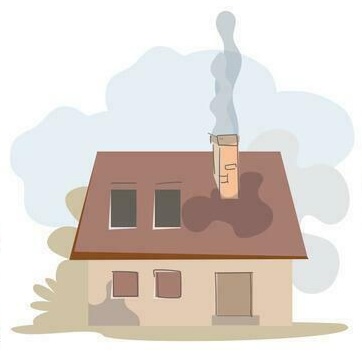
Wood and coal stoves, as well as burning waste in homes, garages and small workshops, produce smoke and fine particles. One priority is therefore to help owners replace these heating systems. In our article on gas boilers and wood-burning stoves, we compare their PM2.5 emissions and explain why residents need support to make the transition.
This support should take into account both the cost of equipment and heating expenses. Insulating walls, roofs and windows reduces heat demand; subsidies for replacing stoves and help with heating bills make it more affordable to move away from smoky fuels. Depending on the building and its infrastructure, heat pumps, electric heating or cleaner gas heating may be used. Our article “Why complaints about smoke from garages are not enough” explains what measures residents should demand from the authorities.
Gas boilers emit far fewer primary particles than wood-burning stoves, but burning gas produces nitrogen oxides. They contribute to the formation of secondary particles in the atmosphere, as explained in our article on winter air chemistry. This is why well-maintained, low-emission equipment and lower fuel consumption matter. Heat pumps operate without burning fuel in the building itself; their overall impact also depends on how the electricity is generated.
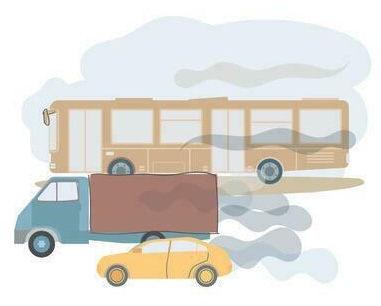
Frequent, predictable services, convenient connections, dedicated lanes, accessible stops and safe walking routes make it easier to travel without a private car. Fleet renewal and the development of electric transport should be combined with improvements across the entire network. Parking policy and restrictions on the most polluting vehicles should be accompanied by an accessible alternative to driving.
Vehicle inspections should test actual emissions and the condition of exhaust-control systems. Transport also pollutes the air through tyre and brake wear and the resuspension of road dust. These sources remain with electric vehicles, so reducing unnecessary journeys and maintaining roads also matter. Read more in our overview of pollution sources.
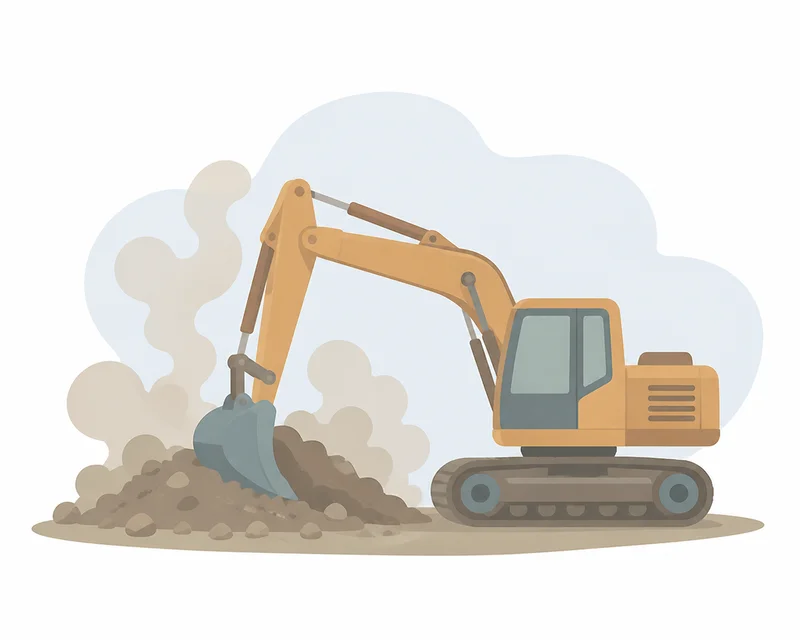
Earthworks, demolition, cutting stone and concrete, uncovered stockpiles of bulk materials and their transport generate dust. It must be reduced at the source: dampen dusty materials, use dust extraction when cutting, cover loads and stockpiles, and wash the wheels of machinery before it enters public roads. Roads require methods that remove deposited dust without resuspending it, repairs to road surfaces, and protection of bare ground from water and wind erosion.
Monitoring must match the type of pollution. Construction dust requires instruments with a verified ability to measure PM10, including coarse particles: a low PM2.5 reading alone does not mean that no dust is being generated. In our article on the municipality's construction-site sensors, we explain why measuring winter smog and monitoring coarse dust require different approaches.
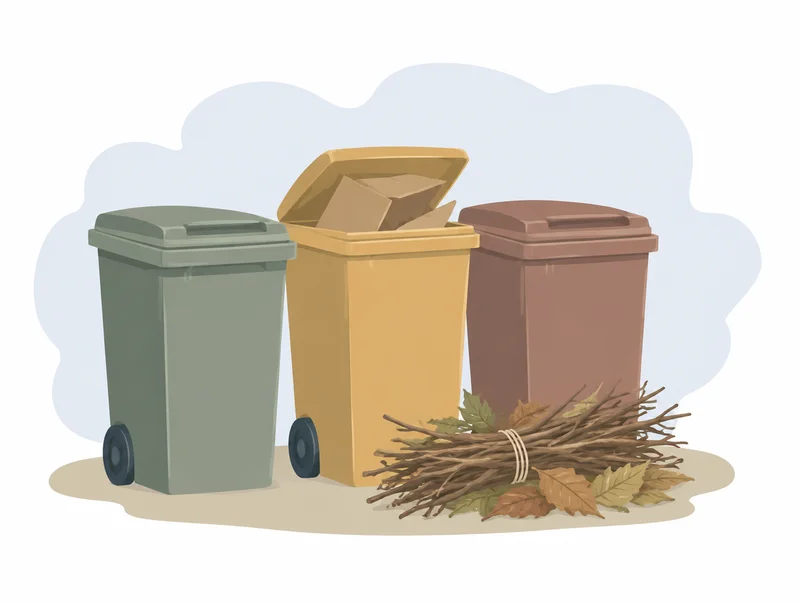
Burning leaves, branches, stubble and rubbish adds smoke and PM2.5 to the air. Ending this practice requires regular collection, separate collection of green waste, and composting where such a system is available. Enforcement against burning should cover private properties, businesses and municipal services. Landfills need fire prevention, prompt detection of fires and effective extinguishing.
Sorting and recycling reduce the amount of waste sent to landfill. If some waste is converted into fuel, its subsequent use requires suitable facilities, emission controls and transparent oversight. We examined these issues through the example of the tender for a waste-processing plant in Nubarashen. The project terms describe planned measures; their implementation and results must be assessed separately.
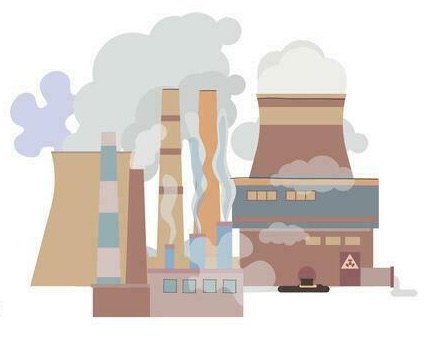
For industrial facilities, boiler houses, quarries and small manufacturers, it is necessary to know which substances they emit and in what quantities. This determines the measures needed: changing fuels and equipment, capturing dust, treating exhaust gases, storing materials in enclosed spaces and reducing solvent evaporation. Pollution-control systems require regular maintenance and checks of their effectiveness.
Inspections should cover both large facilities and small workshops, especially where waste and used oil are burned as fuel. Residents need access to measurement results and information about how violations have been remedied. Industrial controls should be implemented alongside measures for transport and heating: each of these sources affects the air around it.
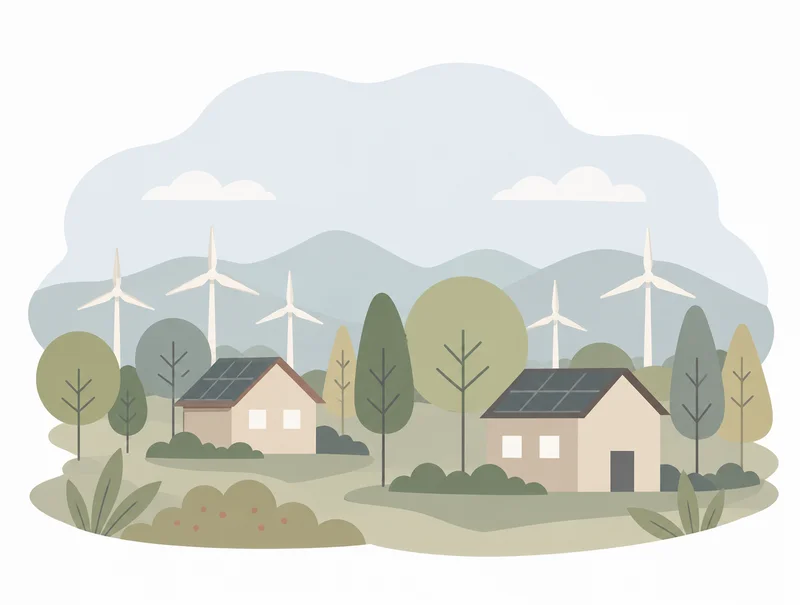
Healthy mature trees, parks and green courtyards should be preserved. New plantings need species suited to the local climate, space for roots, watering and long-term care. Vegetation helps protect soil from erosion and reduce local dust. The movement of air between buildings should be considered when planning construction and urban greening.
Urban greening complements emission-reduction measures, but it cannot solve winter smog on its own. Its results should be assessed by the number of trees preserved and successfully established, soil condition and access to green spaces. One example of public participation is the Kanach Yerevan initiative, which we covered on our blog: planting a sapling comes with a commitment to care for it.
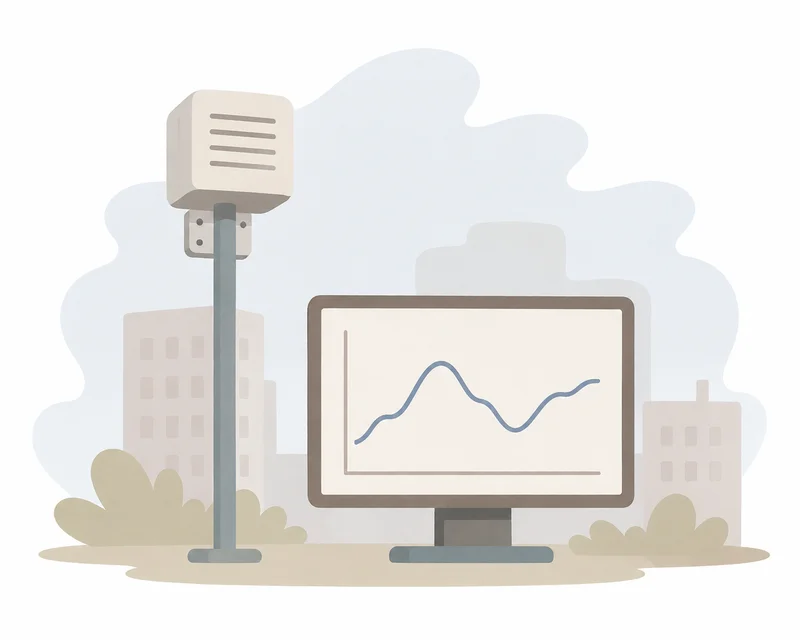
Every city measure needs a deadline, a responsible party, a budget and a measurable outcome: how many smoky stoves were replaced, how industrial emissions changed, whether there is less dust near a construction site, and whether pollutant concentrations fell in residential areas. A sensor network helps identify problem areas and track changes.
Comparisons between periods must account for weather, season, the composition of the monitoring network and data completeness. A drop in PM2.5 after a windy day does not by itself prove that a city programme is working. In our 2025 monitoring review, we discuss separately how network expansion affects average readings. Our open data are available for independent analysis.
Concentrations must be compared with standards and WHO guidelines for the same averaging periods. Severe pollution episodes require timely warnings and protective guidance.
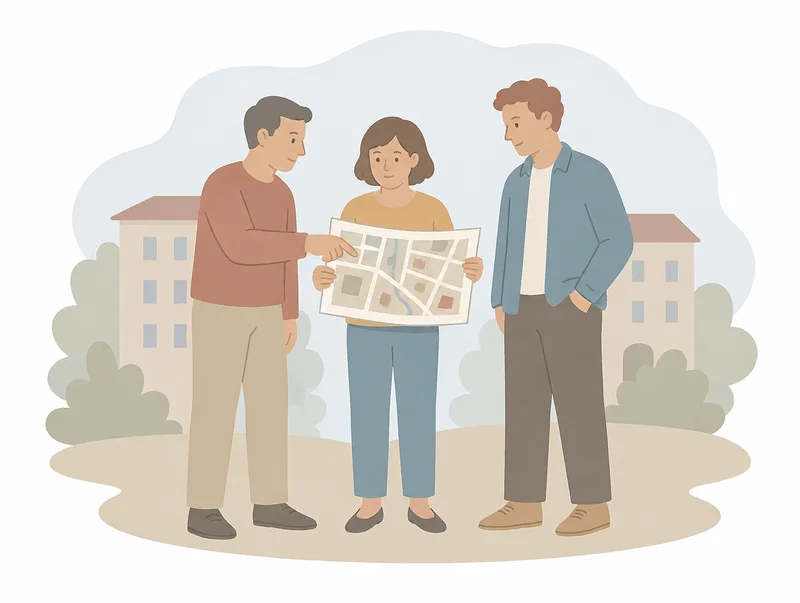
Residents can report waste burning and heavy dust, take part in discussions of city programmes, support the care of green spaces and help expand the monitoring network. Practical ways to participate are collected on the “What Can I Do?” page.
Loading comments…