
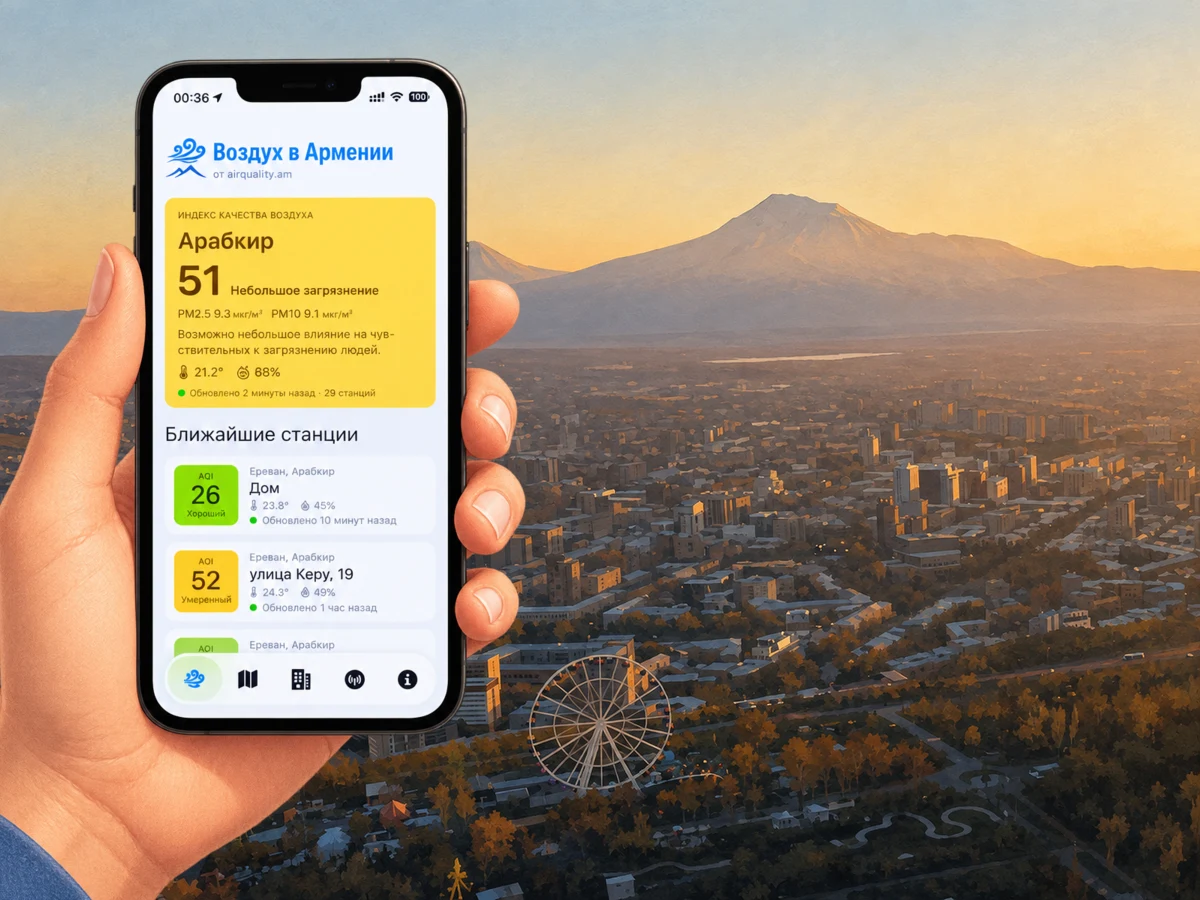
The first step in protection is awareness. Monitor the air quality in your area using online services or mobile apps that display current pollution levels (PM2.5, PM10, and other substances). You can check the pollution level on our website.
During periods of high pollution, try to limit the time spent outdoors, especially near roads or industrial areas. Plan your walks and physical activities for the morning or evening when air pollution is often lower.
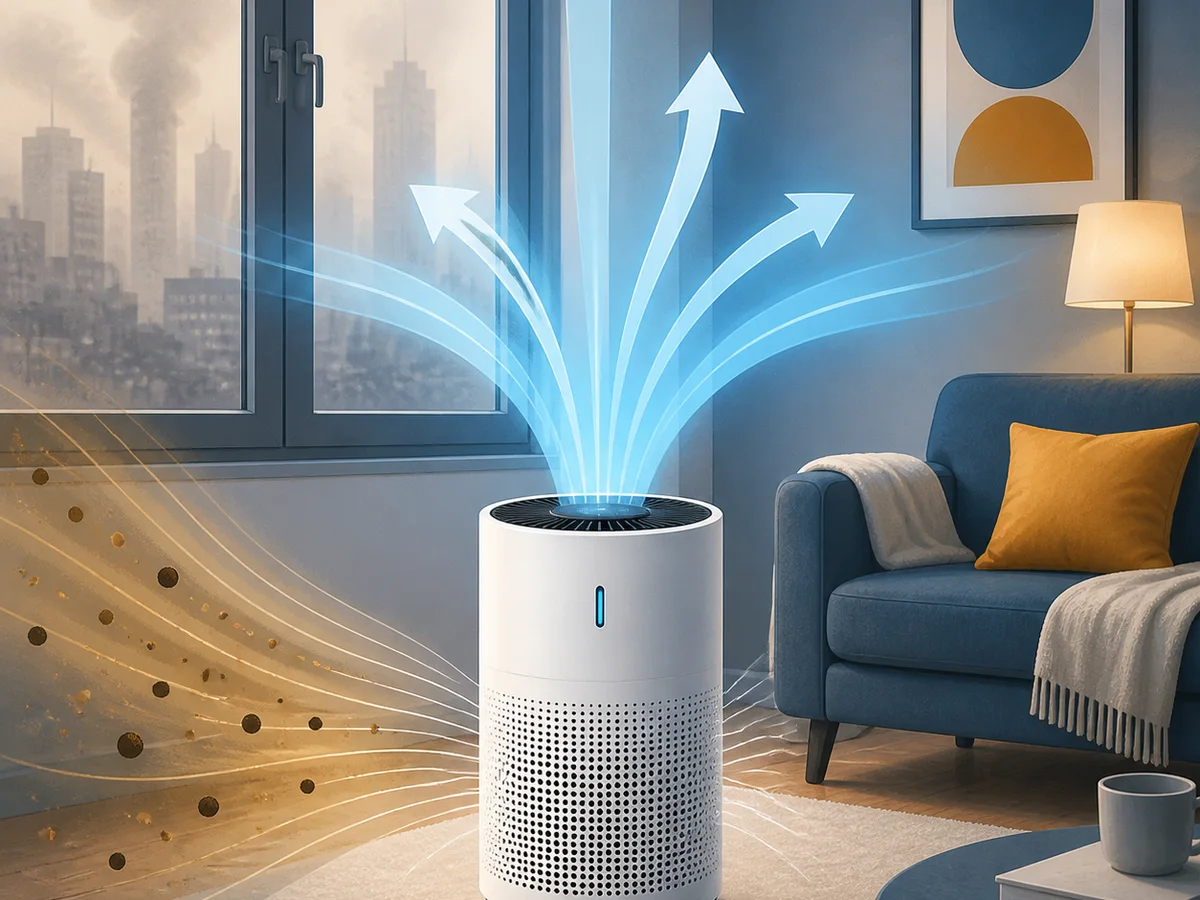
Use a purifier with a HEPA filter to remove fine particles, including PM2.5. Choose a model by its particle CADR, not only by the room area printed on the box: the higher the CADR, the more clean air the unit delivers per hour. For a 20–30 m² room with a ceiling around 2.5 m, use roughly 200–300 m³/h as a guide. Read more about sizing by CADR in the EPA guidance.
During heavy pollution, keep windows and doors closed and run the purifier at a suitable speed. Before buying, make sure a replacement filter for that exact model is readily available; an overloaded filter does not work well.
For more on choosing a purifier and models available in Yerevan, read our article “How to prepare for winter in Yerevan: purifiers and respirators”.
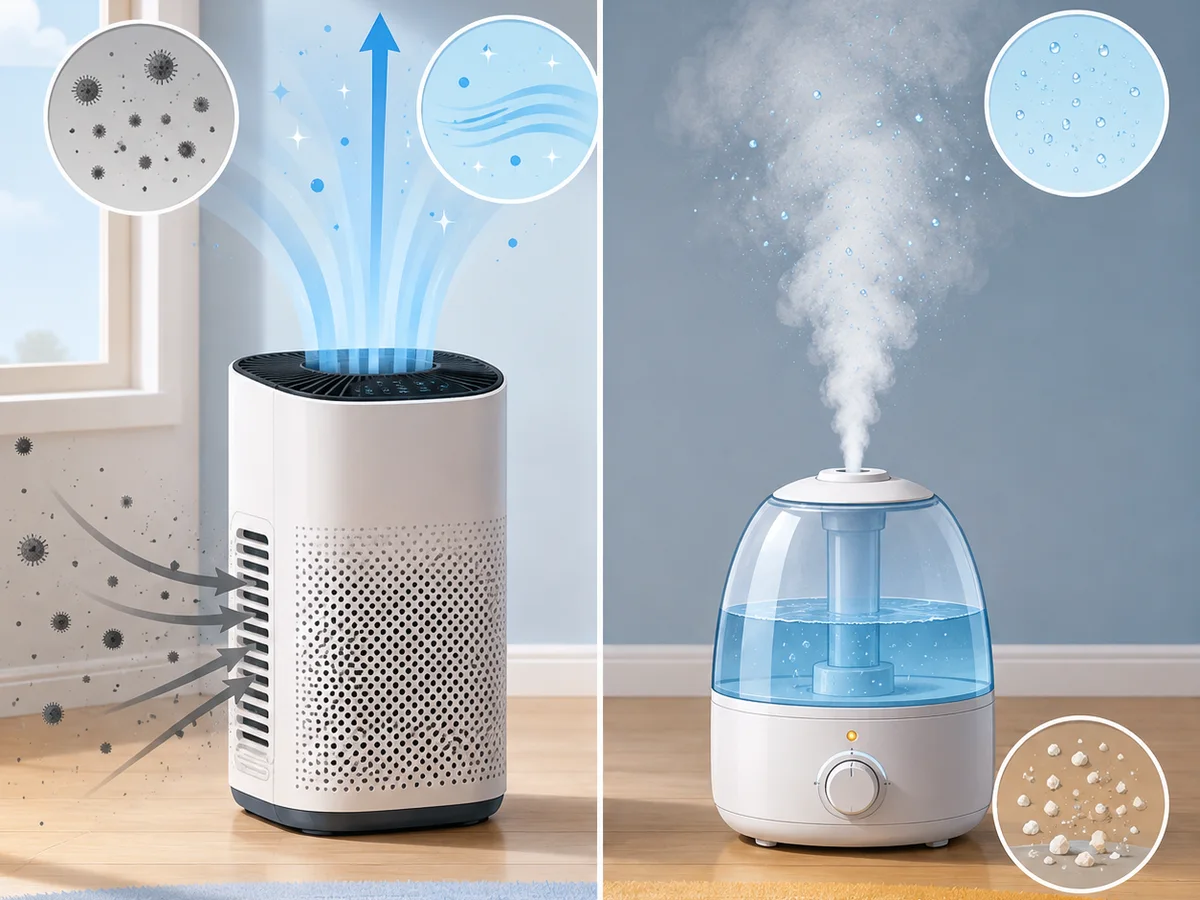
A humidifier does not filter air and cannot replace a purifier. An ultrasonic humidifier filled with tap water can disperse its minerals into the air, producing white dust and raising particle-sensor readings. To reduce this mist, follow the appliance instructions and use water with a low mineral content. See the EPA guidance for details.
Keep houseplants for comfort, but do not rely on them for protection from PM2.5. According to the EPA, a reasonable number of plants does not remove significant quantities of pollutants from the air in homes or offices.
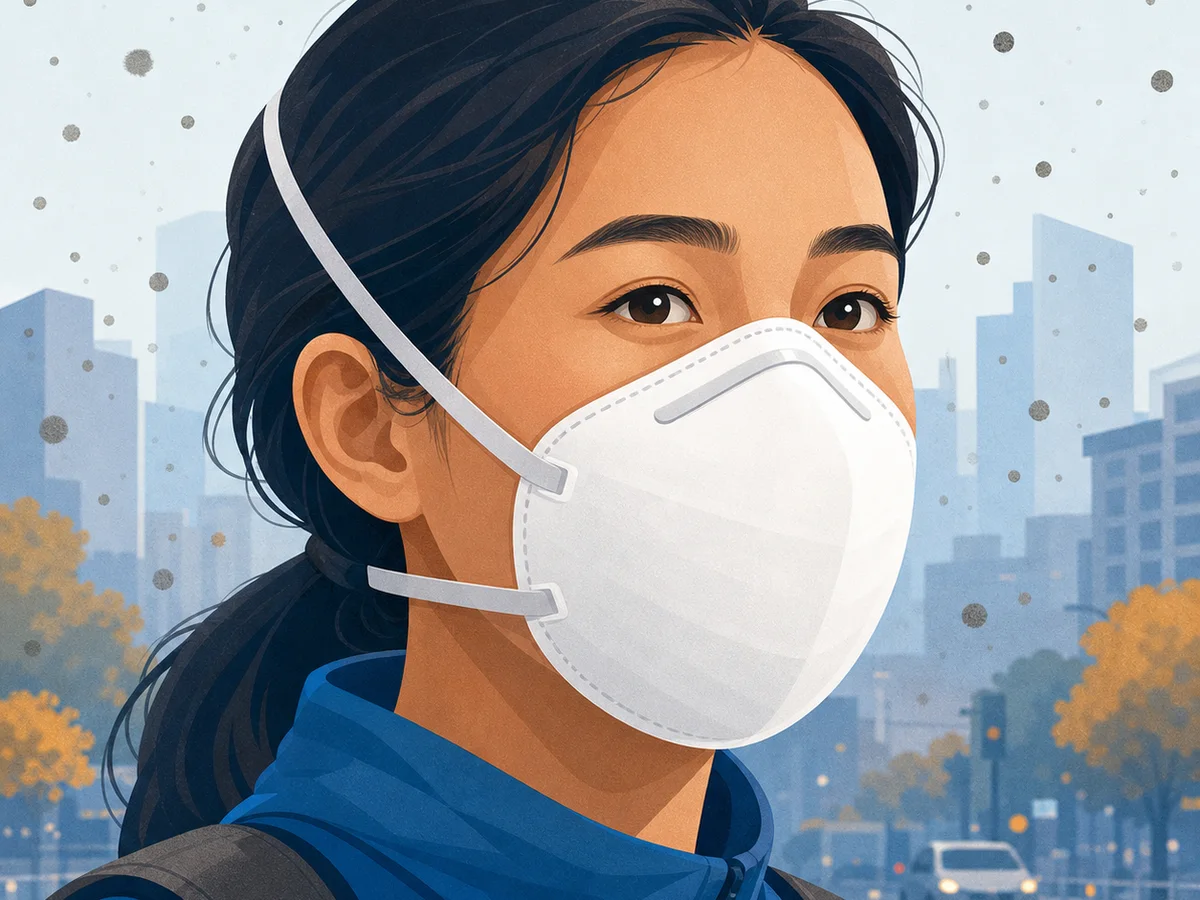
Avoid outdoor physical activity during periods of high pollution, especially near roads and industrial areas. Choose the time and route using current air-quality readings.
For protection from PM2.5, use a certified FFP2 respirator under EN 149 or an equivalent: a NIOSH-approved N95 or a KN95 under GB 2626. A “five-layer mask” label without a standard does not confirm protection, and ordinary cloth and medical masks do not provide the same fit and filtration. The WHO guidance compares these standards.
For more on choosing a respirator and finding certified models in Yerevan, read our article “How to prepare for winter in Yerevan: purifiers and respirators”.
The respirator must seal around the nose, cheeks, and chin. A beard or stubble in the sealing area breaks the seal. Check the seal every time you put the respirator on:
Follow the manufacturer’s instructions for the specific model: the check may differ, especially for a respirator with a valve. Replace a respirator if it becomes wet, damaged, or noticeably harder to breathe through. These recommendations are based on NIOSH guidance.
Loading comments…