
Yerevan City Hall has launched a tender for a waste processing plant, and the implementation of this tender will determine both what we'll breathe in the coming years and how sustainable the waste processing system will be. The mayor signed Decision No. 5249-A on December 23. The deadline for submitting applications to participate in the tender for selecting an investor for the construction and operation of the plant is March 27, 2026.
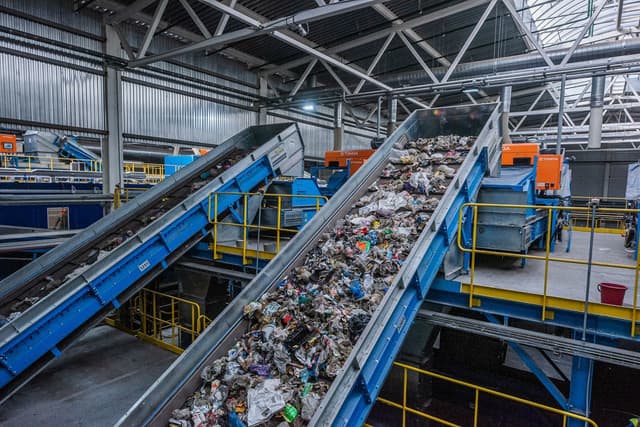
The city is looking for an international investor who will design and build a large waste processing complex in Nubarashen with their own funds. The investor must ensure that no more than 30% of all the capital's waste goes to the landfill. The remaining 70% must be converted into raw materials or energy, not rot in the open air.
The plant must process 300,000 tons of waste per year. The main requirement is deep automatic sorting. Machines must extract metals, glass, paper, and all major types of plastic from the general flow, including HDPE, PET, and polypropylene.
A separate and rather sharp point of the technical specification is RDF fuel production. These are the so-called sorting "tails" (dirty plastic, textiles, packaging residues) that cannot be recycled into something useful. They will be ground into combustible pellets.
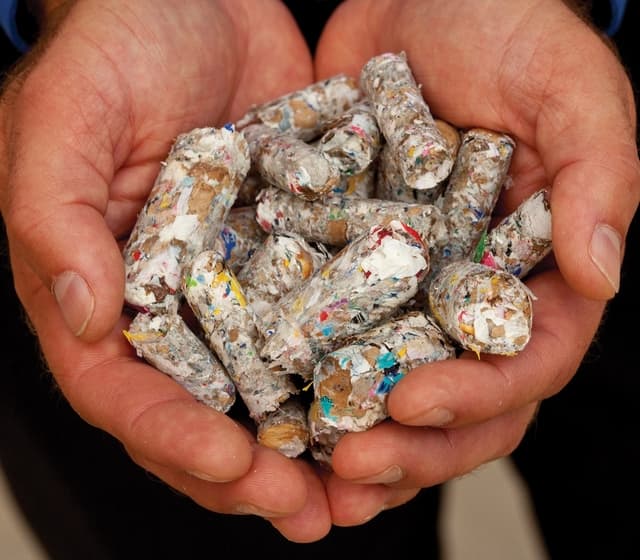
From an environmental perspective, this is a double-edged sword. On one hand, it avoids burying waste in the ground. On the other hand, burning such fuel requires ultra-modern cleaning technologies, which Armenia does not yet have. As well as specialized facilities for burning such fuel—where it will be sent and how it will be used is a big question. The document clearly states: the project must comply with EU Directive 2010/75/EU. This means the investor must install a filter system capable of capturing the finest particles and toxic gases. If control is real and not just on paper, this will save the city from the specific "landfill" trail in the air.
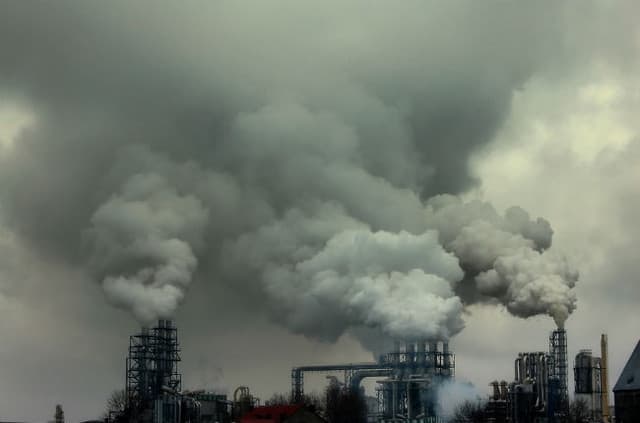
Another important block is biological stabilization. Organic matter that currently just rots and releases methane must pass through closed reactors or composting systems. This will prevent methane emissions, which heat the atmosphere and trigger those same spontaneous landfill fires.

The project contains an important social risk that should be discussed now. When a large investor enters the city with a plant of this capacity, its income is directly tied to the volume of incoming waste. A logical conflict arises: will City Hall be interested in developing waste separation if the "plastic gold" is now contractually supposed to go to the large plant in Nubarashen?
We need to understand that even the coolest optical separator won't extract from a general pile the same clean and high-quality HDPE that you bring to collection points. Industrial processing is great for preventing fires, but it shouldn't replace environmental culture. The plant is a powerful tool for cleaning the air here and now, but waste separation is what prevents producing this waste in the future.
Plant construction is a long-awaited chance to rid Yerevan of years of landfill fires, but the project will only truly succeed with transparent emissions control and preservation of incentives for waste separation. Industrial processing must become a powerful addition to citizens' environmental culture, not its replacement, guaranteeing us the right to truly clean air.