Media Archive on Air Quality in Armenia — 2025

December 2025

Midlife in Armenia: perhaps, it's a crisis

Midlife in Armenia: perhaps, it's a crisis (machine translation)

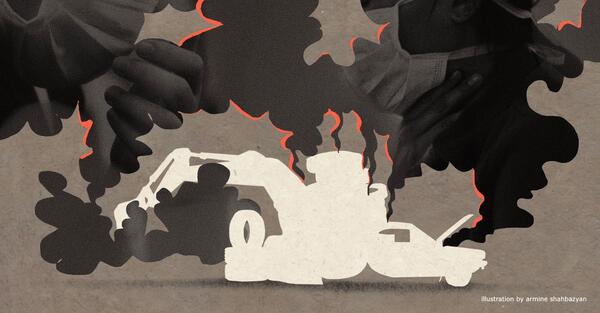
A personal view of life in Armenia connects the theme of “midlife” not only to life expectancy statistics, but also to air quality in Yerevan. Moving in 2020 was a choice in favor of an everyday Armenian environment, yet the winter smog turned checking apps and pollution sensors into part of the usual routine.

On certain days, pollution levels exceeded 150 micrograms per cubic meter and remained in a range harmful to everyone; during a trip to Venice, comparable figures were more often around 15–20. For a long time, the municipality called international platforms like IQAir “unprofessional” and pointed to a possible margin of error of up to 40%, but data from municipal and state measurements, independent sensors, and residents’ own experience indicate a persistent problem.

An investigation by Hetq showed that in 2024, coarse particulate matter stayed below the maximum permissible concentration for only 51 days, and in the first three weeks of January 2025 it exceeded the norm every day. Among the sources of pollution cited are construction sites without adequate dust suppression, heavy truck traffic, shrinking green spaces, the smoldering Nubarashen landfill, dirtier winter heating, leaf burning, and old cars; solving this problem is presented as a matter of policy, enforcement, budgets, and priorities.

Read the full article on armenianweekly.com

Government Approves Procedure for State Monitoring of Ambient Air, Data Collection and Disclosure

Government Approves Procedure for State Monitoring of Ambient Air, Data Collection and Disclosure (machine translation)

On December 25, the Armenian government approved a procedure for state monitoring of ambient air quality, as well as the collection, analysis, assessment, and publication of data. The document notes that previous procedures did not include air quality assessment from the perspective of health risks or recommendations for precautionary and preventive measures for the public, including vulnerable groups. The roles of state agencies in informing the public in cases of pollution limit exceedances were also not legally defined. The new procedure establishes rules for monitoring, data processing, and public disclosure, and introduces provisions on the air quality index and alert thresholds. State monitoring and data provision are assigned exclusively to the Hydrometeorology and Monitoring Center under the Ministry of Environment, and a Japanese grant will be used to modernize three monitoring stations with modern automated equipment.

Read the full article on ecolur.org

Yerevan’s Air Crisis: What’s Happening Amid Emergency-Level Pollution

Yerevan’s Air Crisis: What’s Happening Amid Emergency-Level Pollution (machine translation)

The article describes the deterioration of air quality in Yerevan, framed as a public health issue, particularly due to high concentrations of fine particulate matter (PM2.5). Key sources of pollution include construction dust (including weak oversight and numerous unfinished building sites), active quarries and mineral extraction, and transport emissions. Fires and chronic problems at the Nubarashen landfill are also cited as factors polluting the air with toxic substances.

It notes that geographic and climatic conditions can “trap” pollution but are not its root cause. The piece also highlights a lack of up-to-date monitoring data, plans to modernize monitoring stations, and authorities’ intentions to tighten requirements and fines (for example, for missing protective netting at construction sites) and to develop solutions such as electric vehicles and waste-management reform.

Read the full article on evnreport.com

Decision of the Prime Minister of the Republic of Armenia on Establishing an Interagency Working Group

Decision of the Prime Minister of the Republic of Armenia on Establishing an Interagency Working Group (machine translation)

By decision of the Prime Minister of the Republic of Armenia, an interagency working group has been established to address issues of ambient air pollution. The composition of the working group has been approved, and it is headed by Deputy Prime Minister Tigran Khachatryan. The head of the group is required to report to the Prime Minister every 15 days on the results of the work. Monthly broad public information and coverage of the group’s activities are also предусмотрено. If necessary, the working group may establish specialized subgroups.

Read the full article on arlis.am

November 2025

"Yerevan Greening" Fined for Burning Branches

"Yerevan Greening" Fined for Burning Branches (machine translation)

Yerevan City Hall stated the need to combat the burning of leaves, and Armenia’s Inspectorate is using drones to track down villagers who set leaves on fire. However, in a field between the Avan Football Academy and Acharyan Street—used for several years by "Yerevan Greening" as a dump—branches and leaves continue to be burned. This causes heavy smoke and worsens air quality. "Yerevan Greening" was fined for the deliberate burning of waste. The situation highlights a contradiction between the authorities’ statements and the actual actions of the organizations responsible for urban greening.

Read the full article on t.me

Dilijan: Forest After the Fire (Photos)

Dilijan: Forest After the Fire (Photos) (machine translation)

In the Dilijan area near the “Mountain Armenia” sanatorium and in surrounding forested areas, wildfires were completely extinguished on November 27. The Rescue Service of the Ministry of Internal Affairs has set up monitoring duty, and citizens are urged to strictly follow fire safety rules. At the time of filming, isolated smoldering hotspots were still observed; they were contained by Tavush civil defense teams. The article is illustrated with photos of the fire’s aftermath. As for the air, smoke persists in parts of the area, which may temporarily worsen air quality.

Read the full article on hetq.am

Ministry of Health: Yerevan residents have no reason to worry: pollution levels are within acceptable limits

Ministry of Health: Yerevan residents have no reason to worry: pollution levels are within acceptable limits (machine translation)

The article notes that high levels of air pollution can contribute to the development of various diseases, primarily respiratory, cardiovascular, and allergic conditions. Ruben Grigoryan, a representative of Armenia’s Ministry of Health National Center for Disease Control and Prevention, explains that air pollution indicators in Yerevan remain within acceptable standards and that no special measures are required. Residents are advised, if possible, to keep windows closed, especially in areas close to fire zones, and to avoid physical activity. The increase in air pollution is attributed to unfavorable meteorological conditions—lack of wind and the accumulation of cold air. Overall, the air quality situation in Yerevan is being monitored.

Read the full article on shamshyan.com

Fires in Armenia: What’s the Situation Now

Fires in Armenia: What’s the Situation Now (machine translation)

Since November 21, fires have been reported in various regions of Armenia, believed to be caused by burning dry leaves and stubble. The Ministry of Environment reports damage to forest areas where grass and trees have burned. Rescue services, the eco-patrol, and equipment have been deployed to extinguish the fires, including aerial reconnaissance and helicopter firefighting. Authorities urge residents to avoid setting fires when clearing land, as it worsens soil quality and harms health and biodiversity. Burning plant residues is prohibited by law and punishable by a fine. The article focuses on the impact of the fires on the environment and air quality.

Read the full article on ecolur.org

Winter is approaching, air pollution is worsening: Avinyan wants to combat the burning of leaves and waste

Winter is approaching, air pollution is worsening: Avinyan wants to combat the burning of leaves and waste (machine translation)

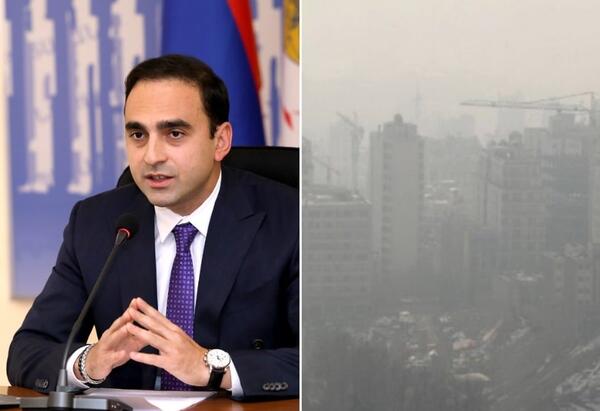
With the onset of winter, the air pollution problem in Yerevan intensifies, driven not only by weather conditions but also by the burning of leaves and garbage and the use of firewood for heating. Mayor Tigran Avinyan noted a significant deterioration in air quality due to major fires and emphasized the danger of toxins from such blazes. Sensors installed in the city confirm that the atmosphere becomes unhealthy, especially during the winter months. The authorities intend to tighten oversight of waste burning, which is already prohibited by law. The Environmental Protection Inspectorate has also taken up the issue, and the mayor’s office plans to obtain additional enforcement powers. Despite these measures, pollution levels remain high during the winter period.

Read the full article on hetq.am

“Air Quality in Yerevan Has Significantly Deteriorated: Avinyan Names the Causes” on am.sputniknews.ru

“Air Quality in Yerevan Will Worsen by Winter, Avinyan Explained Why” on newsarmenia.am

An Increase in Air Pollution Levels Expected Over the Next 5 Days

An Increase in Air Pollution Levels Expected Over the Next 5 Days (machine translation)

Due to an anticyclone in recent days and a lack of wind in the Ararat Valley, cold air has stagnated, leading to increased air pollution. Armenia’s Ministry of Environment Hydrometeorology and Monitoring Center reports rising concentrations of nitrogen and sulfur dioxides, while dust levels remain unchanged. Over the next five days, the current meteorological conditions are expected to persist, with a further gradual increase in air pollution. Such conditions hinder the dispersion of pollutants in the region’s atmosphere. The warning emphasizes the need to pay close attention to air quality during this period.

Read the full article on news.am

“Air Pollution in the Ararat Valley Will Increase in the Coming Days, Meteorologists Say” on newsarmenia.am

October 2025

Forests on Paper: How Money Is Sprayed Away

Forests on Paper: How Money Is Sprayed Away (machine translation)

Armenia has failed its reforestation and afforestation programs: despite international commitments to increase forest cover, implementation has been minimal and ineffective. A Hetq investigation shows that of the pledge to raise forest cover to 13%—planting about 50,000 hectares by 2030—only around 2% has been carried out, roughly 1,000 hectares, and many plantings do not survive due to poor site selection and lack of maintenance.

Some work is carried out on unsuitable land (including swampy areas), and there are discrepancies between reported and actual planted areas. Substantial state-budget funds and international grants are being spent with little tangible result, while NGOs that provide maintenance and monitoring demonstrate much higher survival rates. The article notes that trees clean the atmosphere and absorb CO₂, affecting air quality, but under the current approach these benefits are not being achieved.

Read the full article on hetq.am

Nubarashen landfill in Yerevan catches fire again

Nubarashen landfill in Yerevan catches fire again (machine translation)

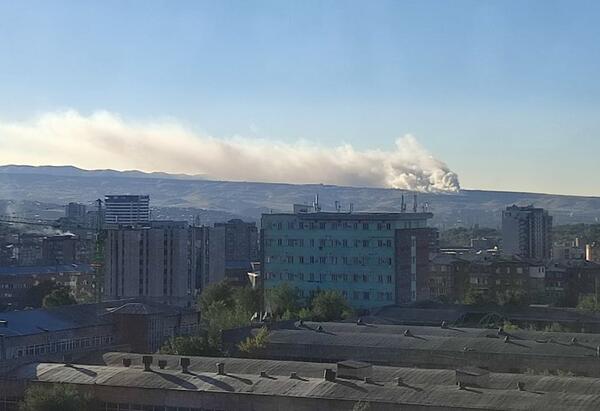
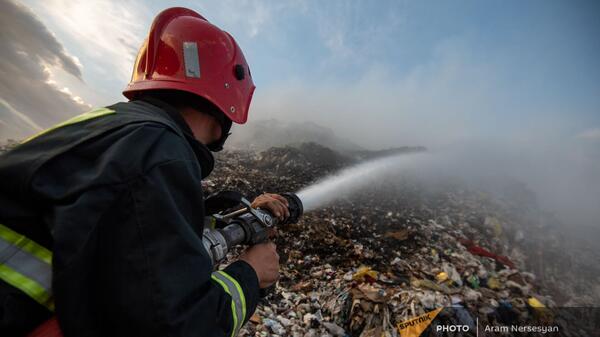
A fire has again occurred at the Nubarashen landfill in Yerevan. The report of the blaze came in during the evening, and six fire crews and 27 rescuers were involved in extinguishing it. The last similar incident at this landfill was in August. Burning waste at the site can affect the city's air quality, raising concerns among residents and authorities. The report notes the involvement of civic and government bodies in addressing the aftermath. Repeated fires at the landfill point to a waste management problem and an environmental threat.
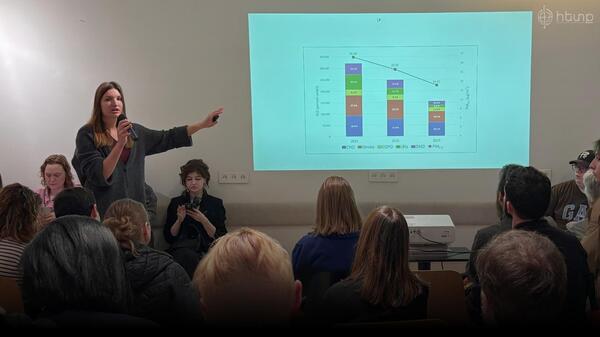
Read the full article on newsarmenia.am

“Avinyan warned of a threat to air quality in central Yerevan due to smoke from the Nubarashen landfill” on newsarmenia.am

“Major fire at the Nubarashen landfill in Yerevan extinguished — mayor's adviser” on newsarmenia.am

“Nubarashen landfill threatens Yerevan, a waste processing plant is necessary — mayor's adviser” on newsarmenia.am

“Toxic smog over Yerevan and a cow amid the rubbish: fire at the Nubarashen landfill threatens an environmental catastrophe” on newsarmenia.am

Avinyan denied rumors of poor air quality in Yerevan, saying problems will begin in November

Avinyan denied rumors of poor air quality in Yerevan, saying problems will begin in November (machine translation)

Yerevan mayor Tigran Avinyan denied rumors of poor air quality in Yerevan during the summer and autumn months, noting that this is not true. According to him, data from 166 installed devices confirm good air quality in August and September. However, he warned that air quality problems may begin in November. It was especially noted that construction work in certain areas is creating local pollution. Authorities intend to toughen penalties for developers who violate requirements to control dust and pollution. Additional disciplinary measures against violators will be taken in December.

Read the full article on newsarmenia.am

“The main air pollution problem in Yerevan occurs in winter: Tigran Avinyan” on ecolur.org

“Mayor of Yerevan says there are no air quality problems in Yerevan in summer” on newsarmenia.am

September 2025

Grant Agreement "Economic and Social Development" Signed between Armenia and Japan

Grant Agreement "Economic and Social Development" Signed between Armenia and Japan (machine translation)

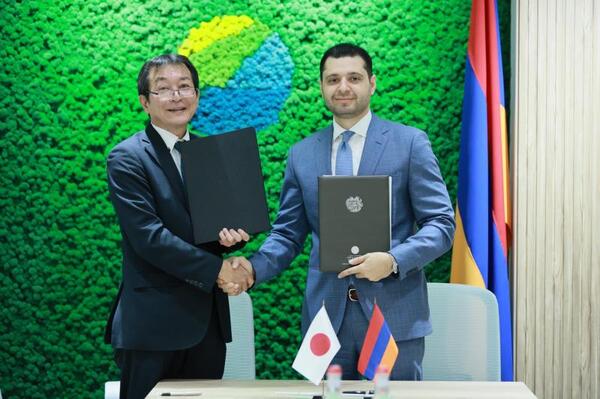
On September 29, 2025, Armenia's Minister of Environment Ambartsum Matevosyan and Japanese Ambassador Aoki Yutaka signed a grant agreement for economic and social development. Japan will provide Armenia with approximately $1.7 million to modernize air quality monitoring stations and procure equipment for the Hydrometeorology and Monitoring Center (a state non-commercial organization). This will improve the air pollution monitoring system, enhance data quality control, and help establish a sustainable environment. Reference stations have already been purchased with state funding. The Japanese government's grant will be an important continuation of environmental reforms in Armenia.

Read the full article on env.am

“Armenia's air monitoring system to be modernized with Japan's support” on env.am

“Japan to help Armenia modernize atmospheric air quality monitoring” on newsarmenia.am

“Automatic air pollutant monitoring equipment to be installed in Yerevan” on news.am

UN: Yerevan Has the Worst Air Quality in the South Caucasus

UN: Yerevan Has the Worst Air Quality in the South Caucasus (machine translation)

Yerevan has been recorded as having the worst air quality in the South Caucasus, which negatively affects the country's attractiveness. UN Resident Coordinator Francoise Jacob noted problems of land desertification and river pollution caused by agriculture, construction and mining activities. Only 0.6% of GDP is allocated to Armenia's environmental protection. Ahead of COP17, the importance of transitioning to a 'green' economy and restoring forests as a measure to improve air quality is particularly emphasized. Jacob urged Armenian banks to support sustainable development projects. The role of the state in protecting biodiversity is also underscored.

Read the full article on news.am

“Air pollution levels in Yerevan periodically exceed the maximum permissible concentration (MPC) by several times” on news.am

“Yerevan named the city with the worst air quality in the region; Armenia's Ministry of Environment disagreed” on newsarmenia.am

“At a recent international conference it was claimed that air quality in Yerevan is the worst in the South Caucasus” on env.am

“Air pollution in Yerevan is 3-5 times above the permissible limit” on news.am

Why Yerevan Is Suffocating: Systemic Causes of the Waste and Environmental Crisis

Why Yerevan Is Suffocating: Systemic Causes of the Waste and Environmental Crisis (machine translation)

The article examines the deterioration of air quality in Yerevan caused by regular fires at the Nubarashen landfill and other factors. Residents suffer from smoke, dust, and toxins, leading to allergies and respiratory problems. The city lacks a modern air quality monitoring system, and existing stations are not sufficiently effective. Experts point to the impact of industrial emissions, motor vehicle traffic, and a lack of green spaces on air quality. Yerevan authorities have for years postponed the construction of new landfills and a recycling facility, which worsens the problem. The article underscores the severe impact of air pollution on public health.

Read the full article on am.sputniknews.ru

August 2025

Over 100 Million Drams in Damage in the Field of Air Quality Protection

Over 100 Million Drams in Damage in the Field of Air Quality Protection (machine translation)

The Environmental and Subsoil Inspection Authority published inspection results for the first half of 2025 in the field of air quality protection. A total of 195 violations were recorded, including breaches in construction, manufacturing, and mining, as well as illegal transport of bulk materials and burning of waste. 134 administrative sanctions were imposed and fines totaling 9,650,000 drams were levied. Environmental damage was estimated at 100,544,532 drams. Four decisions were issued to suspend the activities of entities operating without permits for maximum permissible emissions. The main focus is on damage caused to air quality.

Read the full article on ecolur.org

Armenia to sharply lower permissible air quality concentration limits from 2030

Armenia to sharply lower permissible air quality concentration limits from 2030 (machine translation)

From 2030, Armenia will significantly tighten maximum permissible concentration (MPC) standards for harmful substances in the air and revise the methodology for calculating them. For fine particulate matter PM2.5, the limits will be lowered to 25 µg/m³ as a 24-hour average and 10 µg/m³ as an annual average. For nitrogen dioxide, including that generated by waste burning, new limits will be set: 200 µg/m³ per hour, 50 µg/m³ per day, and 20 µg/m³ per year. Similar reductions are предусмотрено for sulfur dioxide, carbon monoxide, and other emissions. Restrictions on the frequency of exceedances will also be introduced: hourly—no more than 3 times per year, daily—no more than 18 times.

Read the full article on am.sputniknews.ru

Armenia's air quality monitoring system will be fully upgraded by 2030

Armenia's air quality monitoring system will be fully upgraded by 2030 (machine translation)

The Government of Armenia has approved the Ministry of Environment’s project to fully modernize the air quality monitoring system by 2030. The new plan calls for implementing advanced standards aligned with World Health Organization recommendations, as well as upgrading laboratories and tools for modeling and forecasting air pollutants. The measures are intended to improve ambient air quality and promote better public health. The system upgrade will help modernize the state's air protection policy.

Read the full article on news.am

July 2025

Results of the Activities of the Inspection Body for Environmental and Subsoil Protection for 2022-2024

Results of the Activities of the Inspection Body for Environmental and Subsoil Protection for 2022-2024 (machine translation)

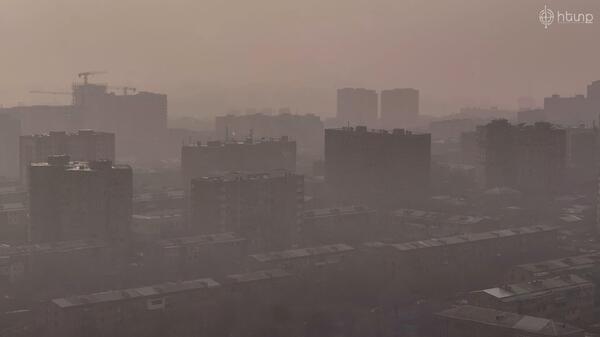
On July 10, 2025, the head of the Inspection Body for Environmental and Subsoil Protection, Ovannes Martirosyan, presented the results of supervisory activities for 2022-2024. Inspections were carried out in the areas of biodiversity, subsoil use, air quality, water resources, land use, and waste. In the field of air protection an increase in the number of detected violations was recorded (397 cases in 2024), and the total environmental damage sharply rose in 2024 to 2.35 billion drams. Administrative fines were also imposed for cases of air pollution. Inspection measures led to the suspension of operations at a number of facilities. The main focus is on monitoring violations and minimizing damage to the natural environment, including air quality.
Read the full article on ecolur.org

June 2025

Yerevan Air Quality Case Study: Monitoring Construction Sites

Yerevan Air Quality Case Study: Monitoring Construction Sites (machine translation)

Yerevan has added air pollution control to its smart city agenda amid a construction boom and complaints about dust. The municipality and the Yerevan Municipality Technology Management Center (TMCYC) deployed a network of Clarity Node-S sensors for continuous monitoring of PM2.5 near construction sites and other problem areas.

Following a decision by the Council of Elders in September 2022, facilities with a high risk of pollution were required to install air quality monitoring devices. A pilot project with five sensors purchased under an Asian Development Bank initiative led to the network’s expansion: by the end of 2024, 151 sensors were operating, and now about 170 devices are deployed across the city, with large construction sites equipped with at least two sensors.

The data feeds into the city’s GIS dashboard and is available online to residents; when limits are exceeded, the system sends alerts, after which inspectors can check sites and require dust mitigation measures. City representatives link the project to a shift from manual measurements to real-time monitoring and are considering further expansion of the network to track transport emissions, including NO₂, as well as dust from mining and quarrying sites on the outskirts of Yerevan.

Read the full article on clarity.io

Discussion of Air Pollution Problems in Yerevan

Discussion of Air Pollution Problems in Yerevan (machine translation)

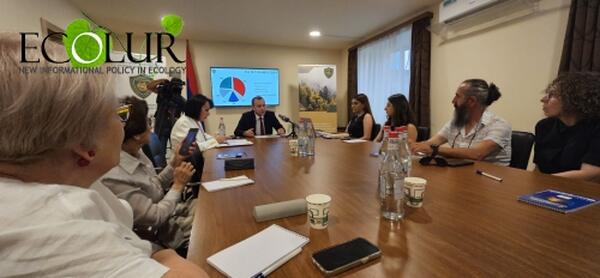
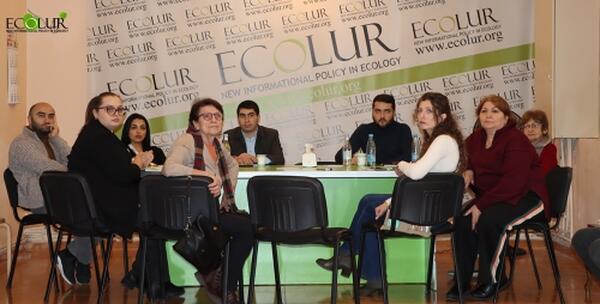
As part of the program for active civil society participation in Yerevan’s “Green Transition,” a roundtable was held dedicated to the city’s air pollution problems. Participants included representatives of the Yerevan municipality, the Ministry of Environment and other agencies, as well as journalists and civil society organizations. Key proposals included improving transportation, banning the burning of waste and landfills, creating green zones, strengthening oversight of industrial facilities and ensuring compliance with the law on atmospheric air protection. It was also recommended to obtain reliable data on air pollution and to monitor public health. These measures are aimed at improving air quality in Yerevan.

Read the full article on ecolur.org

Yerevan to Adopt Madrid's Experience in Improving Air Quality

Yerevan to Adopt Madrid's Experience in Improving Air Quality (machine translation)

Yerevan Mayor Tigran Avinyan met with the President of the Autonomous Community of Madrid, Isabel Díaz Ayuso, to discuss possible areas of cooperation between the cities. The meeting focused in particular on Madrid’s successful experience in improving air quality. It was agreed that Yerevan will study and apply effective solutions implemented in Madrid. The main goal is to adapt these best practices to improve air quality in the Armenian capital.

Read the full article on news.am

“Mayor of Yerevan Stressed the Importance of Madrid's Successful Experience in Improving Air Quality” on news.am

May 2025

Armenia to purchase 16 air pollution monitoring stations

Armenia to purchase 16 air pollution monitoring stations (machine translation)

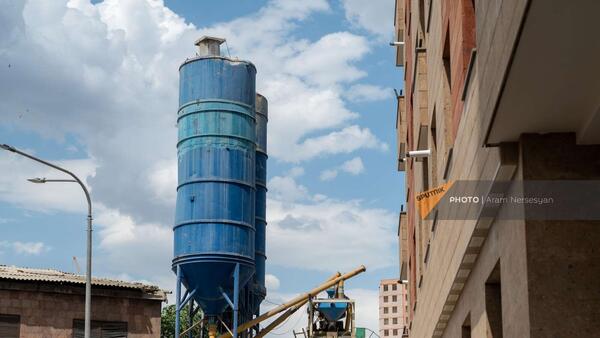
Armenia is implementing a five-year program to reduce atmospheric pollution, under which 16 air pollution monitoring stations will be purchased, 14 stationary and 2 mobile. Some of the devices have already been financed by foreign donors, and the rest are also planned to be purchased with donor support. A draft decree will be prepared requiring the use of water trucks to reduce dust at construction sites and mines, which should lower dust emissions. It is noted that in Yerevan air pollution levels exceed global standards by 5-7 times. Experts link this to dense development that disrupts air exchange and the presence of industry.
Read the full article on am.sputniknews.ru

“Armenia to purchase 14 stationary air quality monitoring stations” on news.am

Avinyan: Construction work also affects air quality — fines should be increased

Avinyan: Construction work also affects air quality — fines should be increased (machine translation)

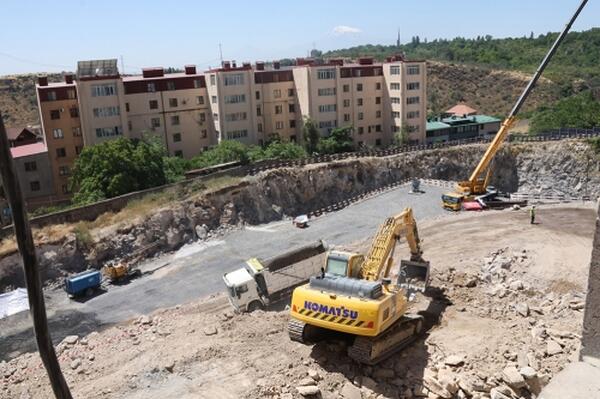
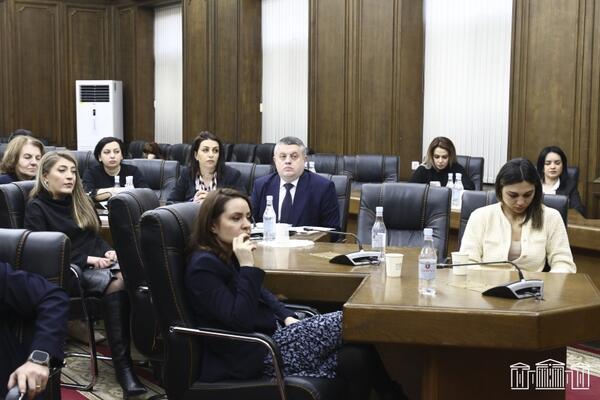
The Mayor of Yerevan, Tigran Avinyan, noted that construction work and the activity of quarries in Yerevan and beyond negatively affect air quality. He emphasized that installing dust-collection nets at construction sites is a measure aimed at protecting the health of the city's residents. Avinyan called on developers to take responsibility for the state of the environment and to comply with relevant environmental requirements. Failure to follow these measures during construction leads to air pollution and a deterioration in residents' living conditions. In this regard, Avinyan proposed substantially increasing fines for violators. The main focus is on combating air pollution in the capital.
Read the full article on news.am

April 2025

Yerevan City Hall attributed the deterioration of air quality in winter to the heating season

Yerevan City Hall attributed the deterioration of air quality in winter to the heating season (machine translation)

At a conference call meeting on April 7, Yerevan Mayor Tigran Avinyan called air pollution one of the issues of greatest public concern and said it needs to be revisited regularly. According to him, air quality in the capital is noticeably improving this season, as confirmed by 173 monitoring devices installed throughout the city.

Gorik Avetisyan, deputy head of the City Hall’s Environmental Protection Department, linked the winter deterioration in indicators to the heating season: the use of fuel for heating adds to the sources of pollution. He noted that not only gas is used during the heating period, and fine particles from organic smoke become a source of PM 2.5; the situation is worsened by disrupted air circulation in winter due to Yerevan’s geographical location.

Comment from the AirQuality.am editorial team One of the rare cases where heating is mentioned as a cause. Later, City Hall will once again begin to avoid such rhetoric.

Read the full article on news.am

“Yerevan City Hall blames citizens for the city's air pollution” on news.am

March 2025

The "ARMHYDROMET" app has been launched

The "ARMHYDROMET" app has been launched (machine translation)

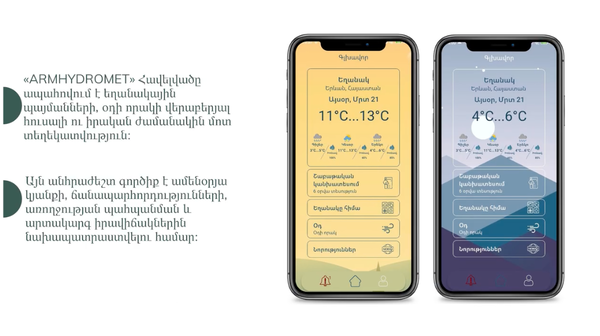
The Ministry of Environment of Armenia has launched the "ARMHYDROMET" mobile application. It provides information on weather conditions and air quality. Users have access to weekly forecasts, current weather, air quality data, and news sections. The new tool helps raise public awareness about air quality.

Comment from the AirQuality.am editorial team The app operates unstably, and information on air pollution appears with a delay of at least 7 days.

Read the full article on env.am

Dust — a temporary phenomenon? Air pollution discussed in Yerevan

Dust — a temporary phenomenon? Air pollution discussed in Yerevan (machine translation)

On March 13, the Yerevan for People initiative held a discussion lasting more than three hours on air pollution in Yerevan, attended mainly by Russians living in the capital. Cardiologist Ekaterina Kushnaryova linked rising PM2.5 concentrations to an increased risk of ischemic heart disease, stroke, chronic obstructive pulmonary disease, upper respiratory tract inflammation, and diabetes, citing studies being actively conducted in China.

Levon Badalyan, head of the oncology service at the Nairi Medical Center, believes that Yerevan may face a situation similar to China in the 2010s, when people took to the streets wearing masks because of poor air quality. Participants noted that the problem is not new, but for many city residents it has become routine and is therefore often underestimated.

Air monitoring in Armenia has been carried out since the 1980s: the state network covers 10 cities, 15 stationary posts, and 214 mobile points, but these methods do not determine the concentration of fine PM2.5 particles. Last year, 170 sensors were added to construction sites in Yerevan, and the Ministry of Environment purchased two automatic stations for the capital; the ministry declined the invitation to the discussion.

Read the full article on hetq.am

“A discussion on air quality was held in Yerevan” on news.am

On the Approval of the Program of Measures for the Protection of Atmospheric Air for 2025–2030

On the Approval of the Program of Measures for the Protection of Atmospheric Air for 2025–2030 (machine translation)

Due to the increasing number of violations in the field of atmospheric air protection recorded by both citizens and the environmental protection inspectorate, it became necessary to develop the "Action Plan for the Protection of Atmospheric Air for 2025–2030." Under the draft Government resolution, modernization of the air quality monitoring system is planned in order to comply with international standards. The legislative framework will also be revised, oversight will be strengthened, and administrative measures for non-compliance with the law will be reviewed. The main focus is on improving atmospheric air quality through comprehensive measures.

Read the full article on e-draft.am

Program to Improve Air Quality in Yerevan

Program to Improve Air Quality in Yerevan (machine translation)

A four-year program to reduce air pollution has been prepared in Yerevan, Mayor Tigran Avinyan announced on February 10, 2025. Its goal is to reduce emissions from key sources of pollution, improve the monitoring system, and support more sustainable urban development.

The main sources identified include construction, transport, quarries and concrete plants, heating with wood, coal, and prohibited materials, as well as landfills. The city already has 5 stationary monitoring posts, 45 mobile points, and 161 stations at construction sites; in 2025, it is planned to add 2 more air quality control stations and 3 automatic stations.

The program provides for stricter emission standards, stronger transport controls, expansion of low-emission public transport, restrictions on vehicle entry into central districts, closure of the existing landfill, and the creation of a sanitary landfill or a waste processing plant. For some measures, separate plans with budgets and timelines still need to be prepared, and the program itself will be discussed with government agencies, international partners, and environmental organizations; it is also aligned with the Armenian Ministry of Environment’s 2025–2030 program.

Read the full article on armeniangc.com

“A four-year program to reduce air pollution in Yerevan has been developed” on news.am

February 2025

Breathe less in winter while the mayor’s office develops a rescue plan

Breathe less in winter while the mayor’s office develops a rescue plan (machine translation)

In Yerevan, the debate over air pollution has intensified once again: residents are installing their own sensors, monitoring data from international platforms, and complaining that breathing becomes more difficult in winter. The mayor’s office previously dismissed the “alarming” reports about pollution, but now acknowledges that since November its own instruments have also been recording exceedances, attributing this to weather conditions and the city’s geography.

Official laboratory data also point to a dust problem: in 2024, there were only 51 days in Yerevan when its concentration did not exceed the maximum permissible level, and during the first three weeks of January exceedances were recorded every day. At the same time, the current monitoring system still does not measure PM2.5 and PM10 — fine particles that the WHO considers among the most dangerous pollutants; pulmonologist Arpine Chobanyan warns that they may contribute to the development and worsening of respiratory diseases.

Mayor Tigran Avinyan has instructed officials to prepare a four-year air quality improvement program within two months, including greening measures and restrictions for old cars. The Hydrometeorological and Monitoring Center is to install two automatic stations in the capital at a cost of 300 million drams, which will make it possible to track current pollution levels, produce forecasts, and measure the concentration of fine particles.

Read the full article on hetq.am

January 2025

Breathe — Don't Breathe!

Breathe — Don't Breathe! (machine translation)

The video raises the issue of air pollution in Yerevan, noting that Armenia, despite being considered a safe country, has the dirtiest air in the region. In 2022 the concentration of PM2.5 particles in the capital exceeded the standard by 5–7 times, and in 2024 the situation has worsened again. Public groups and activists, unlike the mayor's office, acknowledge the problem and are systematizing data, calling for an open dialogue. Causes of pollution cited include the city's natural location, the lack of centralized heating, and the use of gas and alternative heating methods. Although the mayor's office is taking steps such as purchasing buses and planting trees, activists believe a comprehensive approach is needed, including transport reform, strict control over construction sites, and involvement of environmental experts.

Read the full article on youtube.com

Air pollution in Yerevan, current problems, and ways to solve them were discussed

Air pollution in Yerevan, current problems, and ways to solve them were discussed (machine translation)

A working discussion on the state of air pollution in Yerevan and possible measures to reduce it took place at the National Assembly of Armenia on January 9. It was attended by members of parliament, representatives of ministries, the mayor’s office, the Inspectorate for Nature Protection and Subsoil, public organizations, and other interested parties.

Among the main causes of pollution cited were construction, sand quarries in the surrounding area, emissions from landfills and transport, industrial enterprises, and the city’s geographical location. According to the data presented, dust is considered the main factor in Yerevan’s air pollution: over the past two months, exceedances of the maximum permissible levels ranging from 1.1 to 3.4 times were recorded, which a representative of the mayor’s office described as an unfavorable but not dangerous or extremely dangerous level; for those categories, exceedances would have to be more than 20 and more than 50 times respectively.

The mayor’s office also reported that there are no significant differences compared with the figures from the past two years, and that since 2022, dust-measuring devices have been installed at construction sites and monitoring has been carried out. No exceedances of maximum permissible values were recorded for other pollutants; members of parliament said they were ready to initiate legislative changes if necessary and proposed informing the public more actively about the situation and the steps being taken.

Comment from the AirQuality.am editorial team Yerevan City Hall does not discuss air pollution related to heating and the burning of household waste. We will not comment on a 50-fold exceedance. Maximum permissible levels are not called that for no reason.

Read the full article on ecolur.org