

Yerevan Mayor Tigran Avinyan said that current air pollution levels are no longer as high as in November, even though it is now the peak construction season and traffic is heavy. According to him, from November to March air quality largely depends on a climatic phenomenon: an “atmospheric layer” descends, causing pollutants to concentrate closer to the ground. He noted that this situation is typical not only for Yerevan but also for the entire Ararat Valley and neighboring areas. As temperatures rise, the atmospheric layer lifts and observed pollution levels decrease. The municipality, the mayor said, publishes open data and air quality forecasts.
Air quality in Yerevan in March 2026:

Yerevan Mayor Tigran Avinyan said the city administration should regularly share air quality data with the public. According to him, the municipality collects the largest volume of such information, including via installed sensors, and this data makes it possible to see seasonal changes (especially from November to March). Avinyan stressed the importance of understanding what portion of air quality deterioration is linked to anthropogenic factors in order to build policy based on accumulated information. He noted that air pollution requires detailed study and that there are many unprofessional assessments surrounding the issue. Expert Kristina Vardanyan said that air quality in Yerevan is worsening and that tree cutting deprives the city of a natural “filter” against pollution.
Air quality in Yerevan in February 2026:

Nearly 1,900 Yerevan residents took part in a Telegram channel poll by “YerevanyCh” on how to mitigate air pollution in the capital. The poll was prompted by Mayor Tigran Avinyan’s statement that it is impossible to fully solve the problem due to factors beyond the city authorities’ control. Respondents most often cited mass tree planting and the creation of new parks, followed by strict control of construction dust. In the comments, residents link worsening winter air quality to widespread burning of trash, plastic, tires, and the use of stove heating. Proposed measures include fines and enforcement against waste burning, switching to gas/electric heating, expanding gasification, and greening to combat summer dust.
Air quality in Yerevan in February 2026:

According to a GALLUP survey, about 30% of respondents named air pollution as Yerevan’s most important problem. The findings were presented by Aram Navasardyan, head of the Armenian office of the GALLUP International Association. The survey was conducted by phone on January 19–23 among 601 participants.
Air quality in Yerevan in January 2026:

Armenia has approved a comprehensive atmospheric air protection program for 2025–2030. It предусматривает modernization of air quality monitoring and the introduction of mandatory requirements for the use of dust-suppression equipment in construction and the mining industry. Two automatic monitoring stations have already been installed in Yerevan, and the first data are expected soon. Under a grant agreement with the Japanese government, three more stations are planned to be supplied, and one will be purchased from the state budget, bringing the total in the capital to six. This is intended to ensure comprehensive, citywide air-quality monitoring in line with international standards. Armhydromet of the Ministry of Environment is authorized to officially publish atmospheric air quality indicators and inform the public.
Air quality in Yerevan in January 2026:

Yerevan Mayor Tigran Avinyan said that it is impossible to fully solve the capital’s air pollution problem due to factors beyond the city authorities’ control. According to him, during the cold season, concentrations of dust and pollutants rise sharply because the inversion layer (“atmospheric ceiling”) lowers. Air quality is also significantly affected by emissions coming from neighboring countries, and the mayor estimates that external emissions exceed internal ones. Avinyan noted that restrictive measures can only partially mitigate the deterioration of air quality. Expert Kristina Vardanyan believes that air quality in Yerevan continues to worsen, with children, the elderly, and people with chronic illnesses being the most vulnerable; meanwhile, the protective role of trees is reduced by the cutting of green spaces.
Air quality in Yerevan in January 2026:
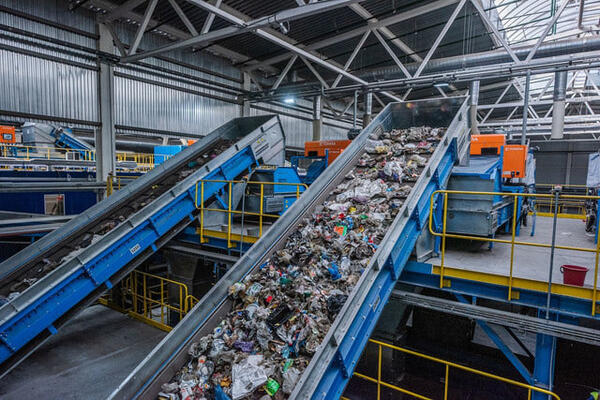
Yerevan City Hall has announced a tender for the construction and operation of a waste-processing plant in Nubarashen, which could significantly affect air quality in the coming years. The project envisions processing up to 300,000 tons of waste per year to reduce the share of landfilling and cut the “landfill” plume and fire risks. A separate environmental issue is the production of RDF fuel: burning it requires modern air-cleaning systems that Armenia does not yet have, making effective emissions monitoring crucial. The technical specifications cite compliance with EU Directive 2010/75/EU and the need for filters to capture fine particles and toxic gases. The project also includes biological stabilization of organic waste to reduce methane emissions and prevent spontaneous combustion at the landfill.
Air quality in Yerevan in January 2026:

On December 25, the Armenian government approved a procedure for state monitoring of ambient air quality, as well as the collection, analysis, assessment, and publication of data. The document notes that previous procedures did not include air quality assessment from the perspective of health risks or recommendations for precautionary and preventive measures for the public, including vulnerable groups. The roles of state agencies in informing the public in cases of pollution limit exceedances were also not legally defined. The new procedure establishes rules for monitoring, data processing, and public disclosure, and introduces provisions on the air quality index and alert thresholds. State monitoring and data provision are assigned exclusively to the Hydrometeorology and Monitoring Center under the Ministry of Environment, and a Japanese grant will be used to modernize three monitoring stations with modern automated equipment.
Air quality in Yerevan in December 2025:
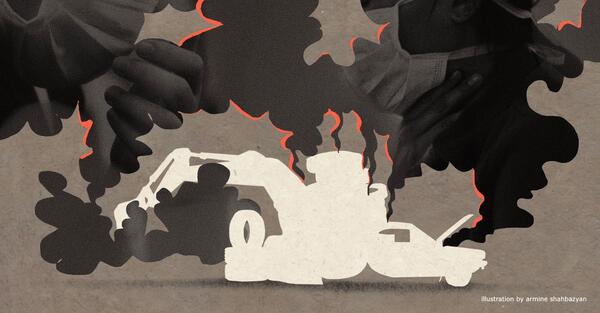
The article describes the deterioration of air quality in Yerevan, framed as a public health issue, particularly due to high concentrations of fine particulate matter (PM2.5). Key sources of pollution include construction dust (including weak oversight and numerous unfinished building sites), active quarries and mineral extraction, and transport emissions. Fires and chronic problems at the Nubarashen landfill are also cited as factors polluting the air with toxic substances. It notes that geographic and climatic conditions can “trap” pollution but are not its root cause. The piece also highlights a lack of up-to-date monitoring data, plans to modernize monitoring stations, and authorities’ intentions to tighten requirements and fines (for example, for missing protective netting at construction sites) and to develop solutions such as electric vehicles and waste-management reform.
Air quality in Yerevan in December 2025:

Yerevan City Hall stated the need to combat the burning of leaves, and Armenia’s Inspectorate is using drones to track down villagers who set leaves on fire. However, in a field between the Avan Football Academy and Acharyan Street—used for several years by "Yerevan Greening" as a dump—branches and leaves continue to be burned. This causes heavy smoke and worsens air quality. "Yerevan Greening" was fined for the deliberate burning of waste. The situation highlights a contradiction between the authorities’ statements and the actual actions of the organizations responsible for urban greening.
Air quality in Yerevan in November 2025:

With the onset of winter, the air pollution problem in Yerevan intensifies, driven not only by weather conditions but also by the burning of leaves and garbage and the use of firewood for heating. Mayor Tigran Avinyan noted a significant deterioration in air quality due to major fires and emphasized the danger of toxins from such blazes. Sensors installed in the city confirm that the atmosphere becomes unhealthy, especially during the winter months. The authorities intend to tighten oversight of waste burning, which is already prohibited by law. The Environmental Protection Inspectorate has also taken up the issue, and the mayor’s office plans to obtain additional enforcement powers. Despite these measures, pollution levels remain high during the winter period.
Air quality in Yerevan in November 2025:
Read the full article on hetq.am →
“Air Quality in Yerevan Will Worsen by Winter, Avinyan Explained Why” on newsarmenia.am →

Due to an anticyclone in recent days and a lack of wind in the Ararat Valley, cold air has stagnated, leading to increased air pollution. Armenia’s Ministry of Environment Hydrometeorology and Monitoring Center reports rising concentrations of nitrogen and sulfur dioxides, while dust levels remain unchanged. Over the next five days, the current meteorological conditions are expected to persist, with a further gradual increase in air pollution. Such conditions hinder the dispersion of pollutants in the region’s atmosphere. The warning emphasizes the need to pay close attention to air quality during this period.
Air quality in Yerevan in November 2025:
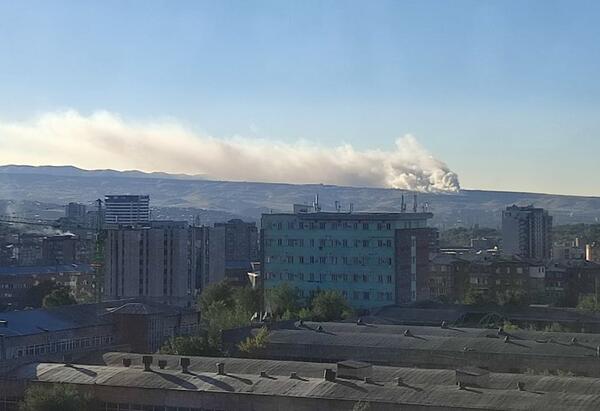
A fire has again occurred at the Nubarashen landfill in Yerevan. The report of the blaze came in during the evening, and six fire crews and 27 rescuers were involved in extinguishing it. The last similar incident at this landfill was in August. Burning waste at the site can affect the city's air quality, raising concerns among residents and authorities. The report notes the involvement of civic and government bodies in addressing the aftermath. Repeated fires at the landfill point to a waste management problem and an environmental threat.
Air quality in Yerevan in October 2025:
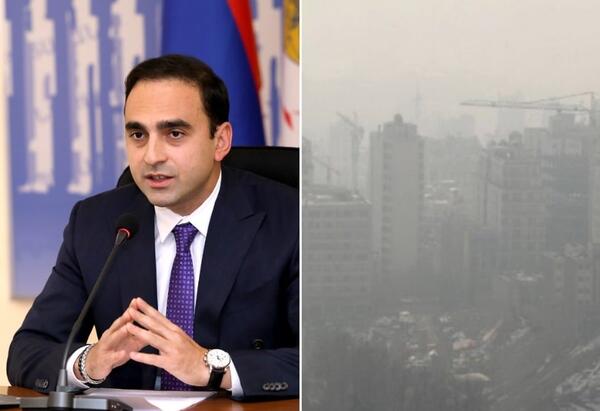
Yerevan mayor Tigran Avinyan denied rumors of poor air quality in Yerevan during the summer and autumn months, noting that this is not true. According to him, data from 166 installed devices confirm good air quality in August and September. However, he warned that air quality problems may begin in November. It was especially noted that construction work in certain areas is creating local pollution. Authorities intend to toughen penalties for developers who violate requirements to control dust and pollution. Additional disciplinary measures against violators will be taken in December.
Air quality in Yerevan in October 2025:
Read the full article on newsarmenia.am →
“The main air pollution problem in Yerevan occurs in winter: Tigran Avinyan” on ecolur.org →
“Mayor of Yerevan says there are no air quality problems in Yerevan in summer” on newsarmenia.am →
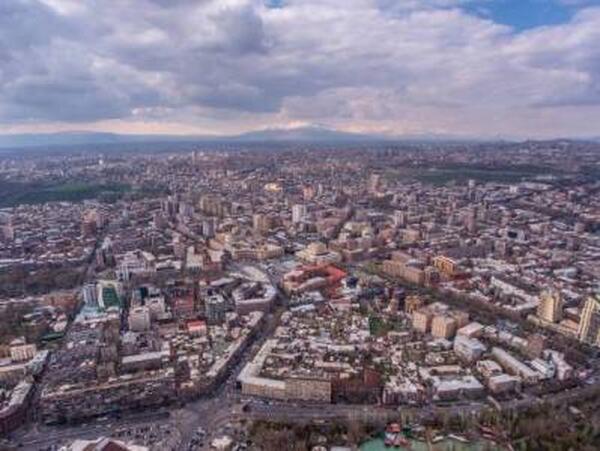
Yerevan has been recorded as having the worst air quality in the South Caucasus, which negatively affects the country's attractiveness. UN Resident Coordinator Francoise Jacob noted problems of land desertification and river pollution caused by agriculture, construction and mining activities. Only 0.6% of GDP is allocated to Armenia's environmental protection. Ahead of COP17, the importance of transitioning to a 'green' economy and restoring forests as a measure to improve air quality is particularly emphasized. Jacob urged Armenian banks to support sustainable development projects. The role of the state in protecting biodiversity is also underscored.
Air quality in Yerevan in September 2025:
Read the full article on news.am →
“Air pollution in Yerevan is 3-5 times above the permissible limit” on news.am →
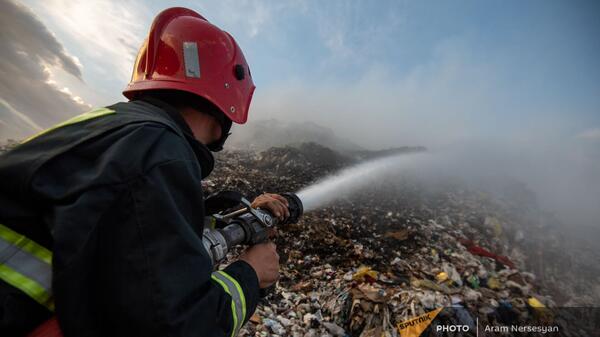
The article examines the deterioration of air quality in Yerevan caused by regular fires at the Nubarashen landfill and other factors. Residents suffer from smoke, dust, and toxins, leading to allergies and respiratory problems. The city lacks a modern air quality monitoring system, and existing stations are not sufficiently effective. Experts point to the impact of industrial emissions, motor vehicle traffic, and a lack of green spaces on air quality. Yerevan authorities have for years postponed the construction of new landfills and a recycling facility, which worsens the problem. The article underscores the severe impact of air pollution on public health.
Air quality in Yerevan in September 2025:

Yerevan Mayor Tigran Avinyan met with the President of the Autonomous Community of Madrid, Isabel Díaz Ayuso, to discuss possible areas of cooperation between the cities. The meeting focused in particular on Madrid’s successful experience in improving air quality. It was agreed that Yerevan will study and apply effective solutions implemented in Madrid. The main goal is to adapt these best practices to improve air quality in the Armenian capital.
Air quality in Yerevan in June 2025:
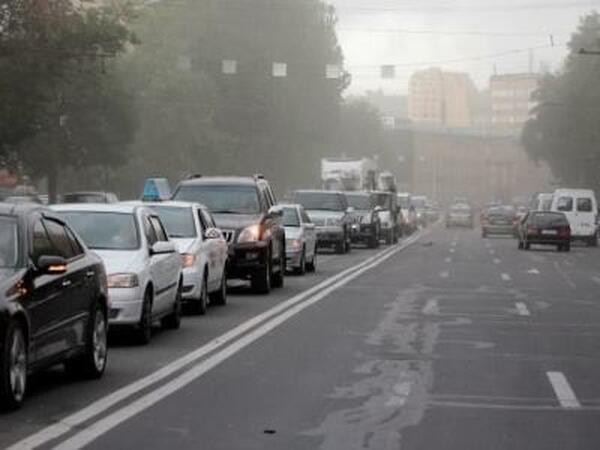
The Mayor of Yerevan, Tigran Avinyan, noted that construction work and the activity of quarries in Yerevan and beyond negatively affect air quality. He emphasized that installing dust-collection nets at construction sites is a measure aimed at protecting the health of the city's residents. Avinyan called on developers to take responsibility for the state of the environment and to comply with relevant environmental requirements. Failure to follow these measures during construction leads to air pollution and a deterioration in residents' living conditions. In this regard, Avinyan proposed substantially increasing fines for violators. The main focus is on combating air pollution in the capital.
Air quality in Yerevan in May 2025:
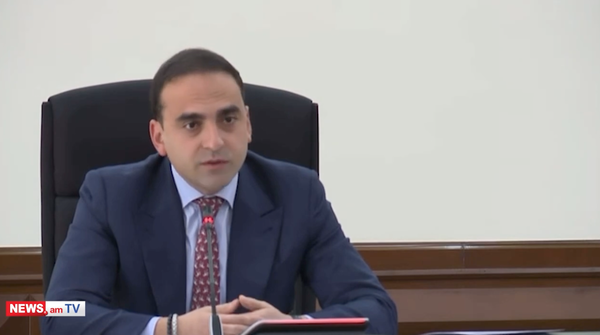
Yerevan Mayor Tigran Avinyan said that the city’s air pollution situation concerns the public. The mayor’s office noted that air quality worsens in winter, mainly due to the start of the heating season. Alongside gas, other fuels are used during this period, which increases the amount of fine PM2.5 particles in the atmosphere. Reduced air circulation in winter also contributes to the accumulation of pollutants. According to hydrometeorological data, the dust level in Yerevan in 2024 decreased compared with previous years; however, the problem persists mainly during the winter months.
Air quality in Yerevan in April 2025:
Read the full article on news.am →
“Yerevan City Hall blames citizens for the city's air pollution” on news.am →
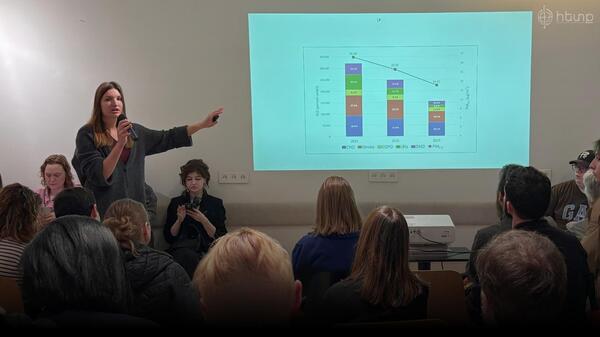
In a discussion organized by the Yerevan for People initiative, the main focus was on the level of air pollution in Yerevan. Participants discussed the impact of polluted air on health and exchanged data on the city's air quality.
Air quality in Yerevan in March 2025:
Read the full article on hetq.am →
“A discussion on air quality was held in Yerevan” on news.am →
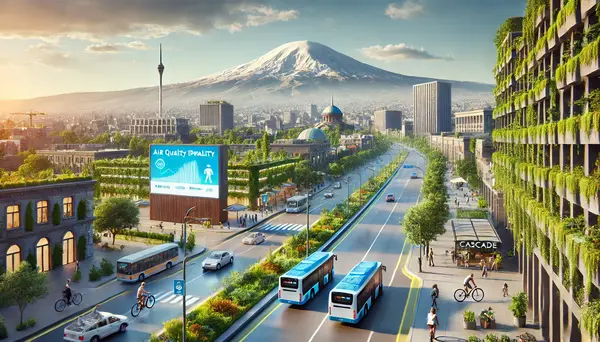
The article describes a developed four-year program to improve air quality in Yerevan. The program's main objectives are to reduce emissions from major pollution sources (construction, transport, quarries, landfills, heating) and to enhance the air monitoring system. The program includes measures to increase green areas, introduce strict emissions standards, develop environmentally friendly transport, and inform the public. Cooperation with the Ministry of Environment of Armenia on a comprehensive atmospheric air protection program is also planned. Short-term and medium-term measures are foreseen, along with consultations with public and international organizations.
Air quality in Yerevan in March 2025:
Read the full article on armeniangc.com →
“A four-year program to reduce air pollution in Yerevan has been developed” on news.am →
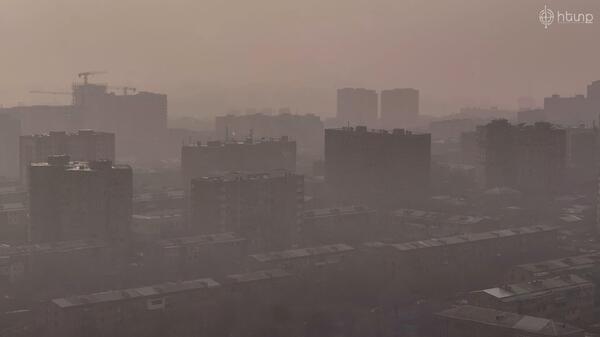
In recent months a debate has flared in Yerevan over critically high air pollution levels, despite earlier statements by Mayor Tigran Avinyan that the situation was within normal limits. Residents installing home monitoring sensors, as well as international platforms, record high pollution levels—especially fine particulate matter PM2.5, which causes serious harm to health. The municipality acknowledges the problem but attributes it to atmospheric conditions and dust buildup during the winter period; independent experts point to key anthropogenic factors — construction dust, vehicle emissions, and a lack of green spaces. In response to public pressure, the city hall announced the development of a four-year program to improve air quality, including greening measures and restrictions on old vehicles, and is awaiting the installation of new automatic monitoring stations to provide more accurate air quality data.
Air quality in Yerevan in February 2025:

The video raises the issue of air pollution in Yerevan, noting that Armenia, despite being considered a safe country, has the dirtiest air in the region. In 2022 the concentration of PM2.5 particles in the capital exceeded the standard by 5–7 times, and in 2024 the situation has worsened again. Public groups and activists, unlike the mayor's office, acknowledge the problem and are systematizing data, calling for an open dialogue. Causes of pollution cited include the city's natural location, the lack of centralized heating, and the use of gas and alternative heating methods. Although the mayor's office is taking steps such as purchasing buses and planting trees, activists believe a comprehensive approach is needed, including transport reform, strict control over construction sites, and involvement of environmental experts.
Air quality in Yerevan in January 2025:
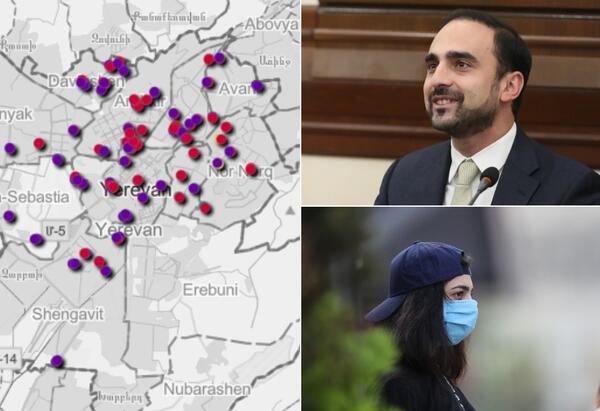
Yerevan Mayor Tigran Avinyan has instructed that a four-year comprehensive plan to improve the city's air quality be developed within two months, including measures for greening, establishing shelterbelts (tree belts), and restricting the operation of older vehicles.
Air quality in Yerevan in December 2024:
Read the full article on ecolur.org →
“How Yerevan City Hall Plans to Combat Air Pollution” on radiovan.fm →
“Yerevan to develop a four-year program to improve air quality” on newsarmenia.am →
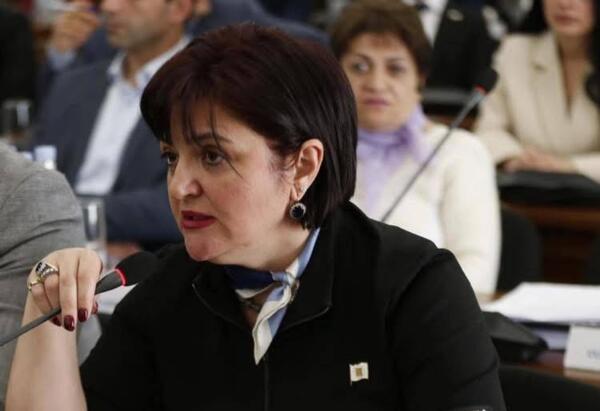
Air pollution in Yerevan exceeds sanitary standards by 5–7 times. The expert notes that this is linked to unresolved issues in municipal governance and insufficient green spaces.
Air quality in Yerevan in December 2024:
Read the full article on am.sputniknews.ru →
“Expert Identifies Yerevan's Most Environmentally Unfavorable Districts” on newsarmenia.am →
“"We're breathing poison": expert warns of lethal consequences of air pollution” on newsarmenia.am →